
Check what you know
Did you know?
More info
Check what you know
Did you know?
- You could be fined up to £1,000 if you do not tell DVLA about a condition that might affect your ability to drive safely. You could also be prosecuted if you have a collision.
- It is an offence for drivers to refuse to submit to an eyesight test when requested to by the police.

The Road Traffic Act 1988 created the offence of driving with ‘uncorrected defective eyesight’ and drivers could be prosecuted if they drive without meeting the required standards of vision for driving.
Before driving any vehicle, the driver is legally required to ensure they meet the minimum eyesight rules.

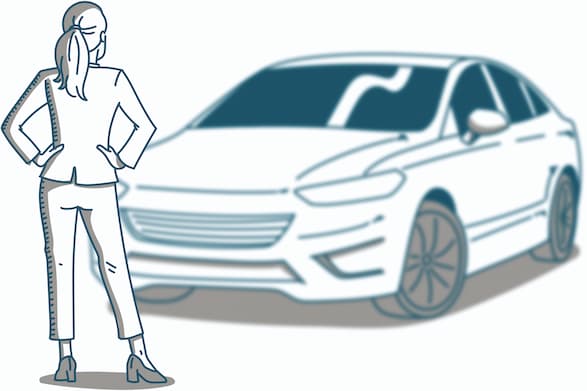
Drivers must be able to read a vehicle number plate made after 1st Sept 2001 from 20 metres (with glasses or contact lenses, if necessary).
More info
Notifiable conditions are anything that could affect the ability to drive safely.
Most medical conditions need reporting, regardless of whether they affect your driving ability.
Visit www.gov.uk and search for ‘driving medical conditions’
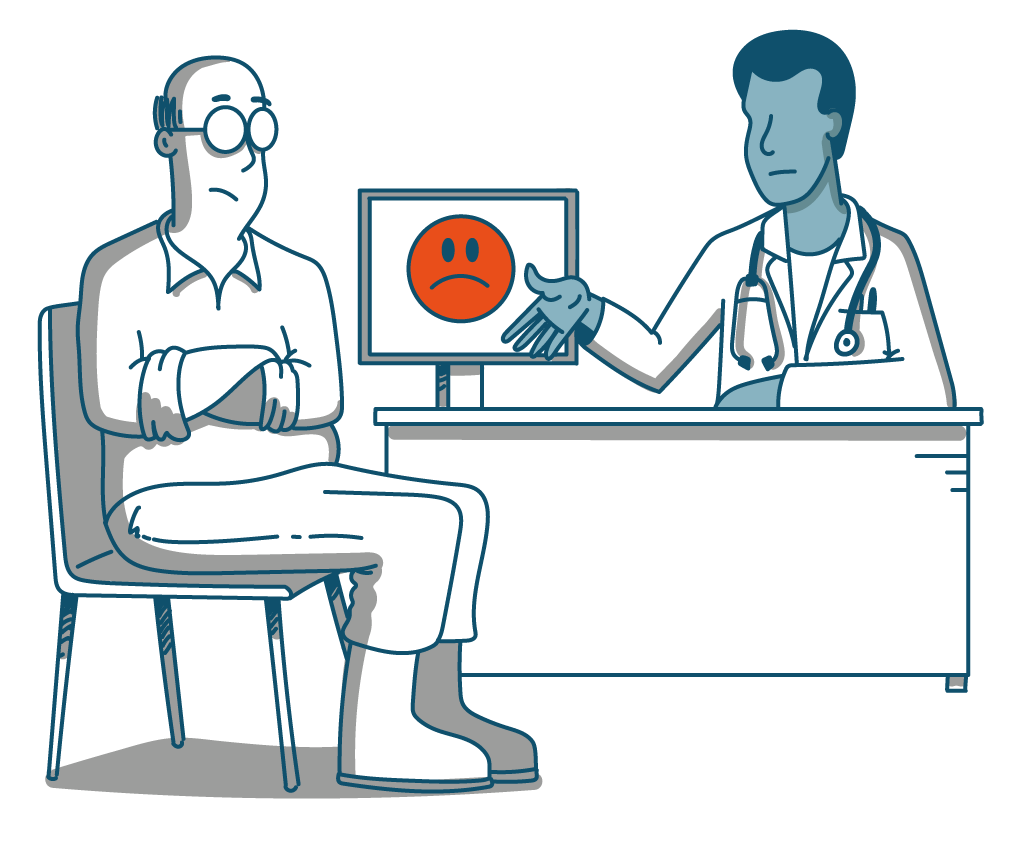
Drivers must give up their licence if the doctor tells them to stop driving for three months or more, or if they do not meet the required standards for driving because of a medical condition.
Drivers can apply to get their licence back when they meet the medical standards for driving again.
Drivers must wear glasses or contact lenses every time they drive if they need them to meet the required standards of vision for driving.
Drivers must tell DVLA of any problem with their eyesight that affects both of their eyes, or the remaining eye if they only have one eye. This does not include being short or long sighted or colour blindness.
Drivers can apply to get their licence back when they meet the medical standards for driving again.
Categories


This information sheet is free for employers to download and distribute to their drivers.
It may not be amended in any way | Copyright 2022 National Highways.